

Standup paddle boarding (SUP) is a water sport that is essentially a cross between surfing and canoeing that has taken the world by storm in recent years. SUP is a fun low impact sport that can be enjoyed by people of all ages and from all walks of life. In addition to being fun, it’s a great way to keep active and fit. If you’re looking at getting into SUP, we will cover the basics in this article to ensure that you have all of the essentials before getting started. This will ensure that you’re not overwhelmed when you go out on the water for the first time.
Standup Paddle Boarding Overview
Standup paddleboarding is a board sport that has actually existed for a while in many different places. However, the modern version of paddleboarding was developed in Hawaii and has become increasingly popular over the years.
SUP is done with a board styled similarly to a surfboard and a paddle is used for propulsion. While SUP can be done competitively, it is also a fun, relaxing recreation activity that can be enjoyed by everyone.
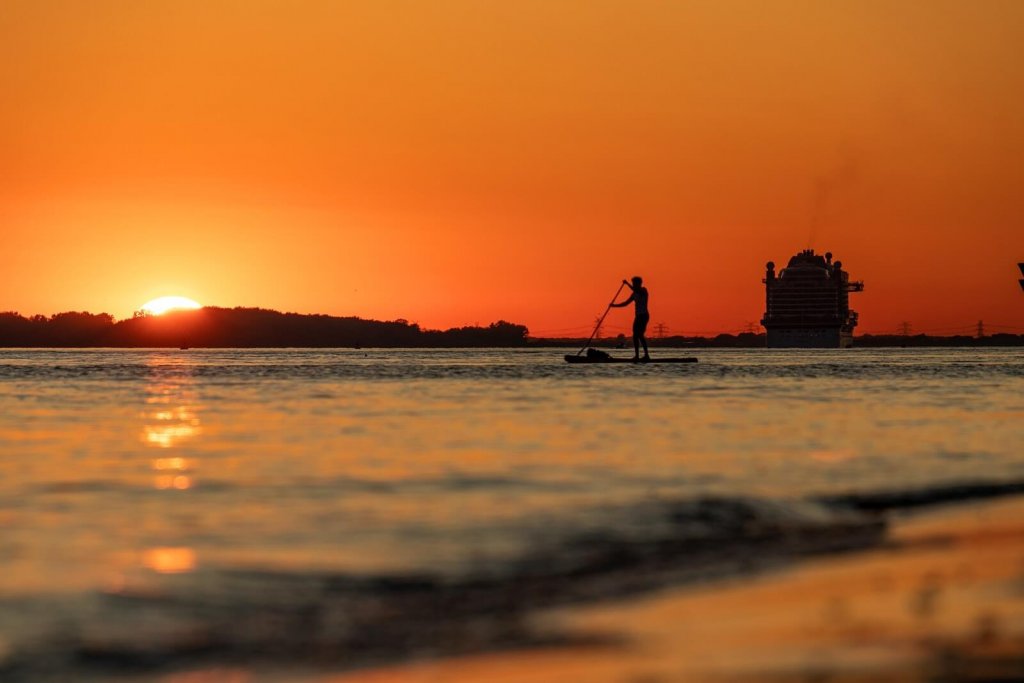
SUP can be done on different types of water such as flatwater lakes, rivers, and canals. With the right training and equipment, SUP can be enjoyed by all.
How to Stand Up Paddle Board
While standup paddleboard is an activity that can be enjoyed by everyone, there are still some things that you will need to do before getting started. These include:
- Get the right equipment.
- Take a lesson.
Before going out and buying your own equipment, it might be a good idea to take a lesson first. There, you will be educated about the type of equipment available and get to try it out. You’ll be able to take care of your training on a board at the same time. You’ll also be introduced to the proper SUP technique. When you’re starting out, don’t be afraid to buy used equipment to start off. Old doesn’t mean bad. You might be able to get a high-quality board this way at a fraction of the cost. Before buying you can also try renting a few times as well so that you get familiar with the equipment.
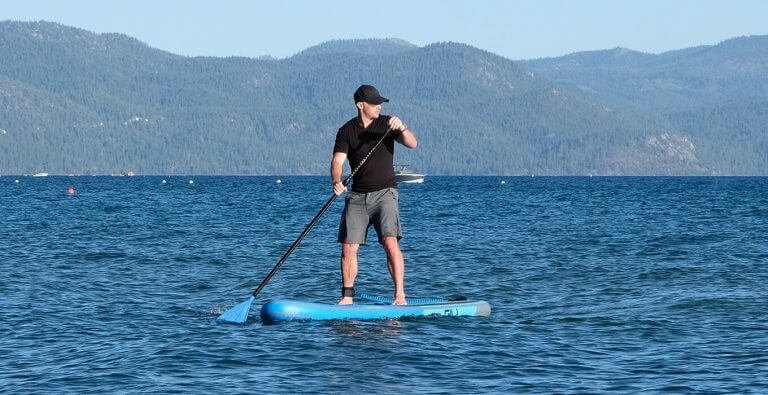
Let’s take a closer look at the equipment that’s available out there.
Standup Paddleboard Equipment
Luckily, you won’t need too many pieces of equipment to get started with SUP. Here’s a brief list of what you will need:
- Standup paddleboard: You should choose your stand up paddleboard based on how you want to use it. There are boards that are better suited for different activities such as recreational paddling, yoga, surfing, touring, and racing. You can also choose between a solid board or an inflatable board. Inflatable boards don’t take up as much space so they are easier to carry and store.
- Paddle: You will need to get a paddle that matches your height.
- Personal flotation device: Some jurisdictions require you to wear a personal flotation device if you’re paddling outside of a surf or swimming area.
- Safety whistle and light: Some jurisdictions require paddlers to carry a safety whistle to warn other people of their presence. A safety light is also required after sunset.
Now that we have covered the equipment that is needed, it’s time to start looking at actual SUP techniques that will help you to get started moving around in the water.
Standup Paddleboarding Techniques
There are a few things that you will need to get a grasp of so that you’re able to comfortably paddleboard.
Standing Up
To stand up, you will need to do the following:
ition your feet so
- Stand next to the board in knee-deep water.
- Hold the edge of the board and work in a kneeling position, just behind the center of the board.
- Stabilize the board by pressing your hands against the side of the board and move your feet one at a time to where your knees were.
- To achieve the ultimate upright position, lift your chest while keeping your knees bent. Once your chest is vertical, stretch your legs out so that you are standing.
To stay balanced, place your feet parallel to your hips. Your toes should be pointing forwards and you should maintain a slight bend in your knees. Shift your weight by moving your hips and look straight ahead and not down to properly maintain your balance.
Holding a SUP Paddle
When holding your paddle, ensure that the blade is angled forward away from the shaft. Holding it the other way around won’t propel you properly and will result in you scooping up a lot of water. When paddling on the left side of the board, your right hand rests on the T-grip of the paddle, while your left hand is a few feet down the shaft.
Falling
If you fall, fall away from the paddleboard and into the water. Make sure that you’re wearing your leash so that the board doesn’t get away from you, leaving you stranded. Falling on the board could lead to you being injured.
Getting Back Onto the Board After Falling
Even the most experienced standup paddleboarders fall sometimes. It’s inevitable. If you fall off of your board and need to get on, do the following:
- Grab onto the side of the board near to the center.
- Hold the handle at the center of the board with one hand.
- Kick your legs behind you while pulling on the handle to get yourself back on the board.
Standup Paddleboarding Strokes
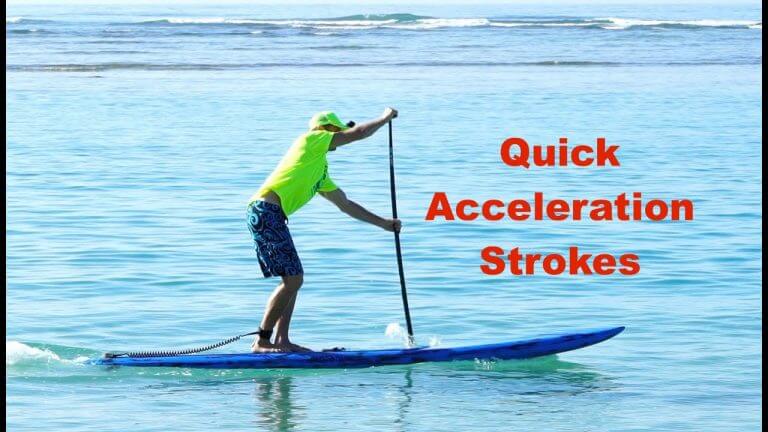
You will need three basic strokes to get started. Here are descriptions of these strokes:
- Forward stroke: Place the paddle about two feet in front of you in the water and push the entire blade below the surface. Pull the paddle back to your ankles. You will need to alternate sides to keep going in a straight line.
- Reverse stroke: This can be used to slow down, stop and turn. It is essentially the opposite of forward thrust..
- Sweep stroke: This stroke is used for turning. To turn left, sweep the racket from the head of the board to the back of the board in a large arc.. Do the same thing on the left to turn right.
Things to Note Before Your First Outing
You will have fun as long as you prepare and follow best practices. Here are some tips for getting ready for your first SUP outing:
- Pick a calmer area
- Find a place where it’s easy to launch your paddleboard from.
- Go on a day with little wind.
- If you’re paddling in the wind, start your journey going upwind and return downwind. This will ensure that you won’t have to use as much energy on your return journey when you’ll be more tired anyway.
- Go with a friend and inform others of your location. Going with a friend ensures that you have someone monitoring you to ensure that you’re safe.
- Limit your outing to a short period so that you don’t overexert yourself.
Wrapping Up
SUP is a great way of staying fit and keeping active. It’s also a lot of fun. If you have the right equipment and training, you can enjoy this activity frequently and safely.